





How to Choose the Right Film Roll Cutter for Your Business Needs
Choosing the right film roll cutter for your business is a critical decision that can impact your efficiency, production speed, and overall product quality. Whether you’re in the automotive, packaging, or medical industry, selecting the right cutting machine is essential to ensure that the cutting process is precise and meets your business needs. In this article, we will explore the different types of film roll cutting machines available and provide insights on choosing the best option based on your specific needs.
Table of Contents
Understanding Film Roll Cutting Machines
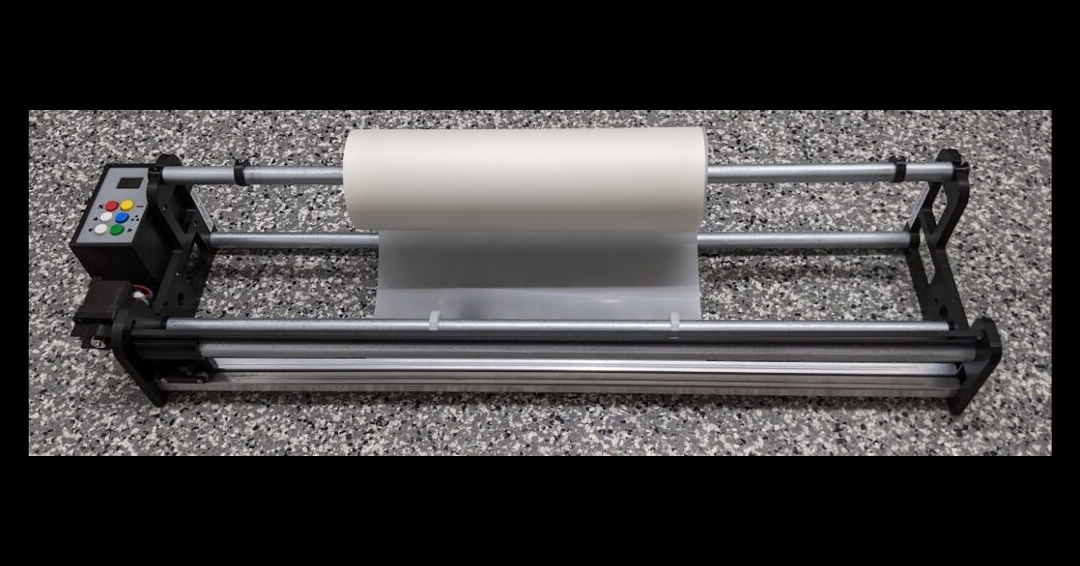
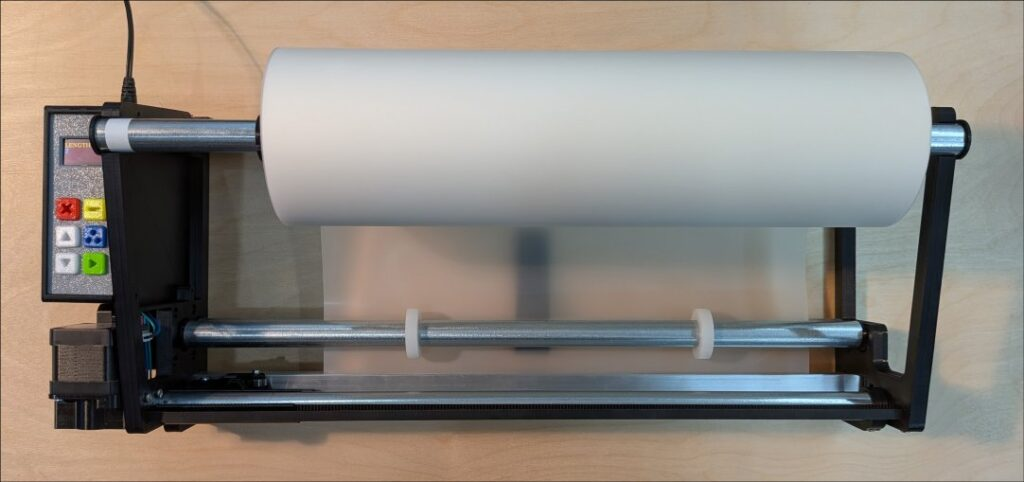
A film roll cutter is designed to convert large rolls of film into smaller, manageable sheets. These machines can handle various types of films and are essential in industries such as automotive window tinting, packaging, and signage. Some machines offer manual, semi-automatic, or fully automated systems, and the type you choose will depend on your business’s needs. A film roll to sheet cutting machine is particularly valuable for operations that require consistent and accurate sheet cutting, ensuring that the final product is of high quality and meets specific standards.
For more specialized applications, such as complex designs or high-volume production, a CNC film cutting machine might be a better option. CNC machines offer automated precision cutting controlled by computer software, which ensures high accuracy even for intricate patterns. This is especially important in industries like window film cutting, where precision is key to ensuring a perfect fit for windows and other applications.
Applications of Film Roll Cutting Machines
Film roll cutting machines are highly versatile tools used across various industries. In DTF printing, these machines ensure precise cuts for transfer films, essential for garment decoration. Similarly, in sublimation printing, they cut transfer films like polyester with accuracy, guaranteeing correct alignment during the heat transfer process. The medical industry also relies on these machines to cut medical-grade films, which are crucial for sterile environments, ensuring safety and preventing contamination. Additionally, polyurethane films used in automotive and aerospace industries are efficiently cut, maintaining their protective qualities.
PET films, commonly used in packaging, also benefit from these machines, ensuring uniform and precise cuts for product consistency. Film roll cutters are ideal for handling plastic films such as BOPP, PE, and PVC, which are widely used in food packaging, medical packaging, and industrial applications. These machines ensure the accurate cutting of these flexible materials, enabling them to meet the required specifications for a variety of applications.
Finally, reflective films used in signage, safety gear, and vehicle wraps require clean cuts to preserve their reflective properties, and film cutters ensure precision. Solar and tint films are also critical in the automotive and building industries, where precise cutting minimizes waste and improves installation efficiency. In each case, these machines are indispensable for meeting the cutting needs of diverse industries, providing efficiency, accuracy, and high-quality results.
Factors to Consider When Choosing a Film Roll Cutting Machine
Film Type and Thickness
Different film types and thicknesses require different cutting technologies. For example, cutting thicker films such as automotive window tints may require more power and precision, while thinner materials may be handled by more basic machines. When choosing a film roll to sheet cutting machine, consider the types of films you work with, such as:
- PVC films – Used in signage, packaging, and other applications
- Polyester films – Common in labels, tapes, and industrial applications
- Vinyl films – Widely used for decals, signage, and window tinting
- Protective films – Used in packaging and surface protection
Ensuring that the machine is compatible with the films you intend to cut will enhance its performance and longevity.
Cutting Accuracy and Speed
If precision is crucial to your operations, investing in a CNC film cutting machine may be the best choice. These machines offer high levels of accuracy and can handle intricate designs, which is crucial when working with detailed films, such as window tinting. However, if speed is more important and the cuts are less complex, a semi-automatic or manual film roll cutter may suffice.
The cutting speed is also important. If you’re running a high-volume operation, you may want to prioritize machines that can handle faster cutting cycles, such as CNC film cutters that can run continuously with minimal downtime.
Ease of Use and Maintenance
Some machines, especially advanced CNC film cutting machines, can be more complicated to operate. While they offer enhanced capabilities, they may require trained operators to ensure efficient operation. On the other hand, manual and semi-automatic machines are usually simpler to use and may be more suitable for businesses with less technical expertise.
In terms of maintenance, automatic machines typically require less frequent attention, while manual and semi-automatic systems may require more hands-on care. Be sure to choose a machine that fits your team’s skill level and can be easily maintained to avoid costly downtimes.
Cost
The cost of the film roll to sheet cutting machine is another crucial factor. CNC film cutting machines tend to be more expensive due to their advanced features, but they offer long-term savings by reducing waste and improving production efficiency. For smaller businesses with lower production volumes, investing in a more affordable window film cutter may provide the necessary performance at a more manageable cost.
Production Volume
The scale of your operations will significantly impact the type of film roll cutter you need. High-volume production lines benefit from automated machines that can run continuously with minimal supervision, such as CNC film cutting machines. For lower volumes, a manual or semi-automatic machine may provide all the capabilities needed without the need for heavy investment.
Conclusion
Choosing the best film roll cutting machine depends on various factors, including the type of film, cutting speed, accuracy, and your specific business needs. Whether you opt for a CNC film cutting machine, or a manual solution, it’s important to assess your production requirements carefully. Each machine offers its unique set of benefits, so understanding the scale and nature of your operations will guide you toward the right choice.
By evaluating the film types you handle, your production volume, and your budget, you can make an informed decision that will help optimize your cutting process and enhance your overall business efficiency.
FAQs
What is a film roll cutting machine used for?
A film roll cutting machine is designed to cut large rolls of film into smaller, manageable sheets. These machines are used in various industries, including automotive window tinting, packaging, and signage.
Can a CNC film cutting machine cut window films?
Yes, a CNC film cutting machine is capable of cutting window films with high precision. These machines are ideal for cutting intricate patterns in window tinting or other types of films.
What types of films can a film roll cutter handle?
A film roll cutter can handle a variety of films, including vinyl, polyester, PVC, and protective films, depending on the machine’s specifications.
What are the benefits of using a CNC film cutting machine?
The primary benefits of using a CNC film cutting machine include high precision, the ability to handle complex designs, and increased speed and efficiency in production.
How do I choose the right film roll cutting machine for my business?
When choosing a film roll to sheet cutting machine, consider factors such as the type of film, cutting accuracy, speed, ease of use, and your production volume. Select a machine that best fits your business’s needs and budget.
Please follow and like us: