





Tips for Translating Your E-Commerce Business for Global Reach
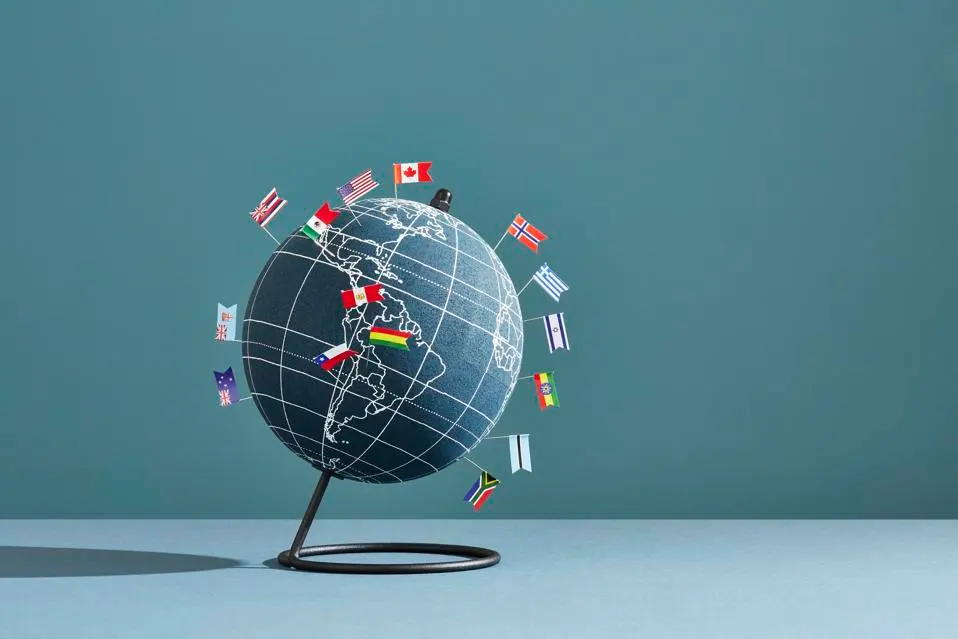
Expanding your e-commerce business globally requires more than just a website translation. It demands a strategic approach to ensure your products and services resonate with diverse audiences worldwide. This article delves into key tips and strategies to effectively translate your e-commerce presence for global success.
Translation services play a pivotal role in bridging cultural and linguistic gaps. Whether targeting Arabic-speaking consumers or expatriates, professional translation ensures clarity and cultural relevance, enhancing customer engagement and trust.
Table of Contents
- Key Tips for Translating Your E-Commerce Business
- Conclusion
- FAQs (Frequently Asked Questions):
- Why is professional translation crucial for e-commerce expansion?
- How can SEO help in international e-commerce expansion?
- What is the difference between translation and localization in e-commerce?
- Why is it important to customize product descriptions for different markets?
- How can localized SEO improve international e-commerce success?
- What role does consistency play in global e-commerce strategy?
- FAQs (Frequently Asked Questions):
Key Tips for Translating Your E-Commerce Business
Understand Your Target Audience
Conduct extensive market research to uncover insights into Dubai’s diverse consumer demographics. Consider factors such as age, gender, socio-economic status, and cultural preferences. Understand how these factors influence purchasing decisions and adapt your e-commerce strategy accordingly. For instance, knowing that Arabic is the primary language, ensure your translated content resonates culturally and linguistically with your target audience.
Choose the Right Translation Service
Select a translation services provider with proven expertise in e-commerce localization for the Dubai market. Look for linguistic professionals who understand not just the language but also the nuances of regional dialects and cultural sensitivities. Verify their track record in accurately translating product descriptions, marketing materials, and customer communications to maintain brand integrity and appeal to local consumers.
Localize Content for Cultural Relevance
Beyond literal translation, localize your content to align with Dubai’s cultural norms and consumer expectations. Adapt product descriptions, promotional offers, and website content to reflect local customs, traditions, and values. This approach enhances engagement and trust among Dubai consumers, showcasing your brand’s commitment to understanding and respecting their cultural context.
Optimize SEO for Local Markets
Conduct thorough keyword research to identify commonly used search terms and phrases among Dubai’s online shoppers. Integrate these keywords strategically into your website content, product listings, and digital marketing campaigns. By optimizing for local SEO, you can improve your visibility in search engine results and attract more organic traffic from Dubai and surrounding markets.
Ensure Consistency Across Platforms
Maintain a unified brand voice and messaging across all digital platforms used in your e-commerce operations. This includes your website, mobile app, social media profiles, and email communications. Consistent branding reinforces brand recognition and trust among Dubai consumers, fostering loyalty and enhancing the overall user experience across different touchpoints.
Implement Multilingual Customer Support
Offer comprehensive customer support in multiple languages, including Arabic and other relevant languages spoken in Dubai. Ensure your support team is proficient in these languages to effectively address customer inquiries, provide assistance, and resolve issues promptly. Multilingual support demonstrates your commitment to customer satisfaction and facilitates better communication with a diverse consumer base in Dubai.
Conclusion
Effective translation and localization are integral to expanding your e-commerce business globally. By understanding cultural nuances, choosing the right translation services, and optimizing for local SEO, you can successfully reach and engage diverse audiences in Dubai and beyond. Embrace these tips to unlock new opportunities and achieve sustainable growth in international markets.
FAQs (Frequently Asked Questions):
Why is professional translation crucial for e-commerce expansion?
Professional translation ensures that your product descriptions, marketing materials, and customer communications are accurately translated into the local language, maintaining cultural relevance and complying with regional regulations. This accuracy builds trust among customers, enhances their shopping experience, and increases the likelihood of making purchases.
How can SEO help in international e-commerce expansion?
SEO plays a crucial role by optimizing your website and content with localized keywords and phrases that resonate with your international target audience. This optimization improves your website’s visibility in search engine results, drives organic traffic from specific markets, and ultimately increases conversions and business growth globally.
What is the difference between translation and localization in e-commerce?
Translation focuses on converting text from one language to another, while localization involves adapting content to fit the cultural, linguistic, and regulatory requirements of specific target markets.
Why is it important to customize product descriptions for different markets?
Customizing product descriptions helps resonate with local consumer preferences, cultural norms, and language nuances, enhancing engagement and increasing the likelihood of sales in diverse global markets.
How can localized SEO improve international e-commerce success?
Localized SEO involves using keywords and phrases that are relevant to specific regions or countries, helping your website rank higher in local search engine results and driving targeted traffic from those markets.
What role does consistency play in global e-commerce strategy?
Consistency in branding, messaging, and user experience across languages and platforms builds trust with international customers, reinforces brand identity, and ensures a seamless shopping experience worldwide.
Please follow and like us: