





Can Calgary Chiro Help With Discomfort After Physical Activity?
Physical activity supports good health, but it can sometimes leave muscles feeling tight and joints uncomfortable. Whether you enjoy running along Calgary’s pathways, playing recreational hockey, or working out at the gym, understanding the cause of discomfort is important.
Table of Contents
- Why Does Discomfort Occur After Physical Activity?
- How Can Chiropractic Care Support Physical Recovery?
- When Should Active Individuals Consider Chiropractic Treatment?
- What Treatment Options May Be Recommended?
- How Can You Manage Discomfort Between Workouts?
- How Do You Choose Appropriate Chiropractic Support in Calgary?
- Conclusion
For individuals considering Calgary chiro services, chiropractic care may offer an option for assessing certain movement-related concerns. Knowing when treatment may help, what to expect, and when medical attention is necessary supports safer recovery decisions.
Why Does Discomfort Occur After Physical Activity?
Muscle soreness after exercise is common, particularly when someone increases workout intensity, tries unfamiliar movements, or returns to activity after a break. Delayed-onset muscle soreness (DOMS) typically develops within 12–24 hours and may peak between 24 and 72 hours after unfamiliar or demanding exercise.
However, not every uncomfortable sensation is ordinary muscle soreness. Joint irritation, muscle strains, repetitive loading, and existing musculoskeletal conditions can also contribute to symptoms. Understanding where discomfort occurs, how long it lasts, and whether it affects daily movement helps determine the appropriate next steps.
Common Causes of Post-Activity Discomfort
- Muscle overuse: Repeated or unfamiliar movements may cause temporary soreness.
- Sudden increases in training: Higher exercise intensity can place additional demands on muscles and joints.
- Limited recovery: Inadequate rest between demanding workouts may contribute to ongoing fatigue and discomfort.
- Movement limitations: Reduced joint mobility or muscle flexibility may affect how certain activities feel.
- Acute injuries: Falls, awkward landings, or sudden movements can cause strains, sprains, or other injuries.
Persistent or worsening symptoms deserve attention, not dismissal as normal exercise soreness.
How Can Chiropractic Care Support Physical Recovery?
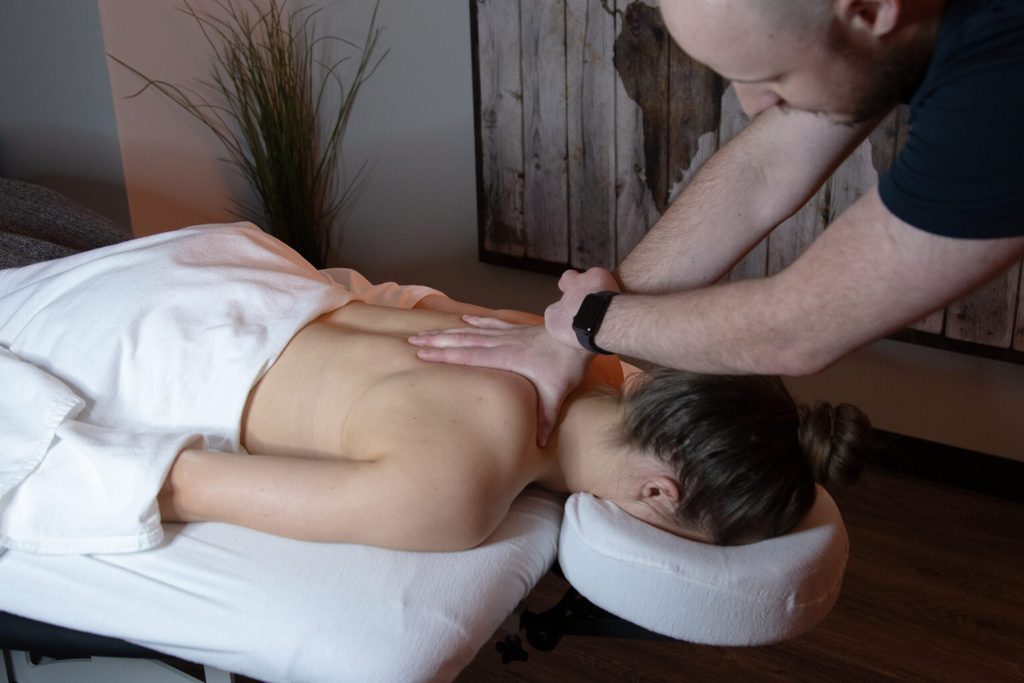
Chiropractic treatment focuses on assessing and managing certain conditions involving the muscles, joints, and spine. A qualified Calgary chiropractor may evaluate movement, examine painful areas, and consider whether symptoms relate to a musculoskeletal condition.
Depending on the assessment, treatment may include manual therapy, joint mobilization, exercise guidance, or education about modifying activities. Some approaches may reduce certain types of musculoskeletal pain and improve short-term function, although results vary by condition and individual.
What Happens During a Chiropractic Assessment?
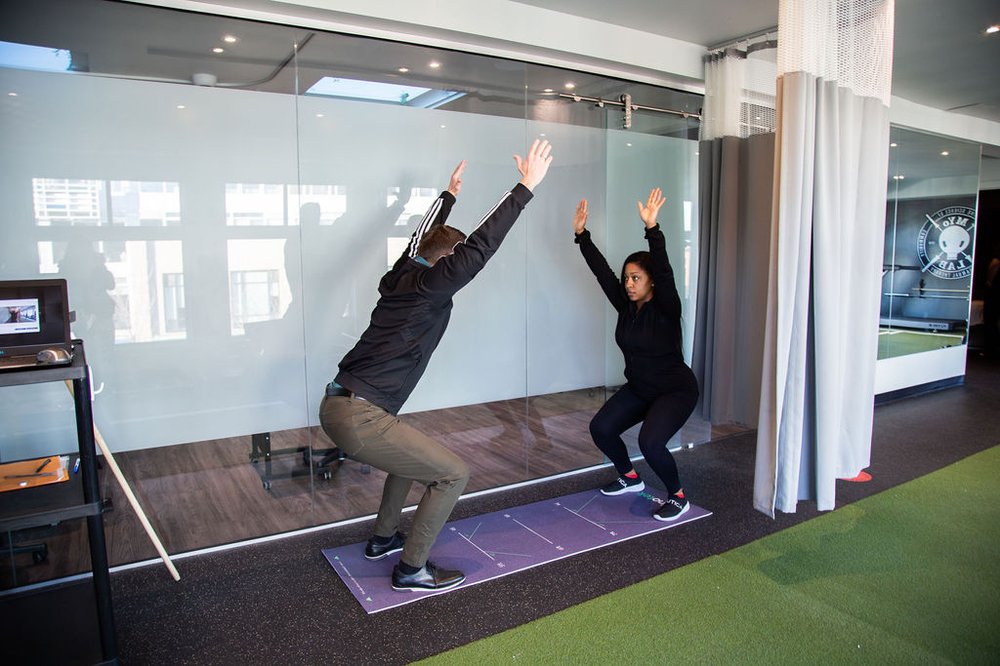
An initial appointment may involve reviewing symptoms, medical history, exercise habits, and recent injuries. The clinician may also assess joint movement, muscle function, strength, and relevant neurological signs.
At MYo Lab Health & Wellness, individuals seeking information about chiropractic services can discuss their activity-related concerns and learn whether an assessment is appropriate. Treatment decisions should follow clinical findings, personal health needs, and informed consent.
When Should Active Individuals Consider Chiropractic Treatment?
Not every episode of post-workout soreness requires professional treatment. Mild muscle discomfort that improves over several days often responds to gradual movement, suitable rest, and adjustments to training intensity.
However, people researching Calgary chiro options may benefit from a professional assessment if discomfort repeatedly returns during exercise, limits normal activities, or doesn’t improve as expected.
Situations that may justify an assessment include:
- Recurring neck or back discomfort after recreational sports.
- Joint stiffness that interferes with normal movement.
- Muscle or joint pain that repeatedly interrupts training.
- Difficulty returning to regular activity after a previous injury.
- Uncertainty about which exercises are appropriate during recovery.
Sudden severe pain, major swelling, inability to bear weight, significant weakness, or numbness requires prompt medical evaluation. Symptoms such as loss of bladder or bowel control or numbness around the groin require emergency care.
Chiropractic Support in Calgary
Get Guidance for Post-Activity Discomfort in Calgary
Experiencing recurring muscle or joint discomfort after physical activity? Connect with MYo Lab Health & Wellness to discuss your symptoms, ask about chiropractic care options, and learn whether a professional assessment may be appropriate.
What Treatment Options May Be Recommended?
A treatment plan should reflect the individual’s symptoms, physical examination, health history, and activity goals. No single approach fits every type of post-exercise discomfort. People considering chiropractic care in Calgary may encounter several approaches, including joint mobilization, spinal manipulation when appropriate, soft-tissue techniques, and therapeutic exercises. Clinicians may also recommend changes to exercise intensity or movement habits.
Manual Therapy and Movement Exercises
Manual therapy involves hands-on techniques intended to address certain musculoskeletal symptoms. It may provide short-term relief for some conditions, but it is not suitable for every injury or patient.
Therapeutic exercises may help improve strength, mobility, and movement control. For example, someone experiencing recurring discomfort after cycling may receive guidance on strengthening exercises, training adjustments, or posture-related factors identified during assessment.
How Can You Manage Discomfort Between Workouts?
Practical recovery habits can help active individuals manage ordinary exercise soreness and avoid unnecessary increases in training demands.
- Increase activity gradually: Adjust workout intensity and duration over time instead of making sudden changes.
- Allow appropriate recovery: Give heavily worked muscle groups sufficient time to recover.
- Stay hydrated: Drink fluids according to activity level, temperature, and individual needs.
- Prioritize sleep: Consistent, adequate sleep supports general physical recovery.
- Use gentle movement: Comfortable walking or light activity may temporarily ease ordinary muscle stiffness.
- Monitor symptoms: Reduce or stop activities that produce sharp, worsening, or unusual pain.
For Calgary residents who enjoy winter sports, hiking, cycling, or fitness training, adjusting activity to weather conditions and personal fitness levels can also help manage physical demands.
How Do You Choose Appropriate Chiropractic Support in Calgary?
Choosing a healthcare provider involves more than searching for the best chiropractor in Calgary. Professional qualifications, communication, clinical assessment, and the suitability of recommended treatment are important considerations.
In Alberta, chiropractors must be registered with the College of Chiropractors of Alberta. Patients can verify registration and ask questions about treatment recommendations, potential risks, expected benefits, and alternatives. When reviewing Calgary chiro services, look for a provider who explains clinical findings clearly, discusses realistic expectations, and refers patients to another healthcare professional when necessary.
Frequently Asked Questions
Is muscle soreness after exercise normal?
Yes. Mild soreness is common after unfamiliar or demanding exercise. It generally improves within several days, although severe or persistent symptoms may require assessment.
Can chiropractic treatment help with sports-related discomfort?
It may help with certain musculoskeletal conditions, depending on the diagnosis. An assessment is necessary to determine whether treatment is appropriate.
Should I exercise when my muscles feel sore?
Gentle movement may be reasonable for ordinary muscle soreness. Avoid activities that cause sharp pain, increase symptoms, or interfere with safe movement.
How many treatment sessions might be needed?
The number of appointments depends on the condition, symptom severity, response to care, and individual goals. No fixed treatment schedule suits everyone.
When should I seek medical attention after a workout?
Seek medical advice for severe, persistent, or worsening symptoms, substantial swelling, or difficulty moving normally. Seek urgent care for sudden neurological symptoms or other emergency warning signs.
Conclusion
Physical activity can sometimes cause temporary soreness, but recurring or persistent discomfort may need professional attention. Understanding symptoms, allowing appropriate recovery, and choosing suitable treatment can help people remain active while making informed health decisions.
For Calgary residents considering Calgary chiro services, a thorough assessment is an important starting point. MYo Lab Health & Wellness offers chiropractic service information for individuals exploring care options. Treatment should always reflect personal needs, clinical findings, and realistic recovery goals.
Looking for chiropractic support after physical activity in Calgary? Find MYo Lab Health & Wellness on Apple Maps for location details and directions.
Please follow and like us: