






The Impact of DEF Fuel on Engine Performance and Maintenance Costs
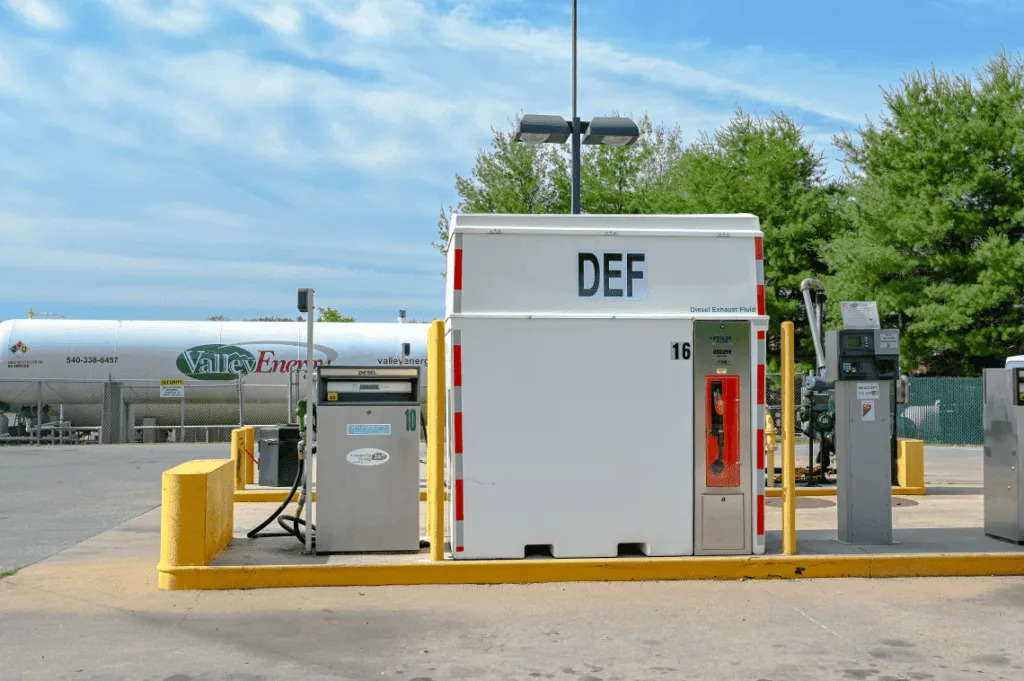
In recent years, environmental regulations have significantly changed the way diesel engines operate. To meet stringent emissions standards, modern diesel vehicles and equipment increasingly rely on Diesel Exhaust Fluid (DEF fuel) to reduce harmful pollutants. DEF fuel plays a crucial role in maintaining engine efficiency while minimizing maintenance costs, but its effectiveness hinges on proper use and sourcing from a trustworthy DEF supplier. Let’s explore how DEF fuel impacts engine performance and maintenance expenses, while clarifying the importance of choosing quality diesel exhaust fluid, including branded products like blue DEF.
Table of Contents
What Is DEF Fuel?
DEF fuel is a solution made from 32.5% high-purity urea and 67.5% deionized water, used in diesel vehicles equipped with Selective Catalytic Reduction (SCR) technology. When injected into the exhaust system, DEF fuel reacts with nitrogen oxides (NOx), converting these harmful emissions into harmless nitrogen and water vapor. This approach enables diesel engines to comply with strict environmental standards without sacrificing performance.
Blue DEF is a commonly used term for certified diesel exhaust fluid products that often come dyed blue to prevent accidental contamination and to help users easily distinguish it from other fluids. Whether branded or generic, the quality and proper handling of DEF are essential for engine health and emissions control.
How DEF Fuel Enhances Engine Performance
1. Improved Emissions Control
The primary benefit of DEF fuel is its ability to drastically reduce NOx emissions, one of the most damaging pollutants produced by diesel engines. By using diesel exhaust fluid with SCR technology, vehicles can meet environmental regulations without compromising power output.
2. Optimized Combustion Efficiency
DEF fuel allows engines to operate at higher combustion temperatures since the SCR system takes care of harmful emissions after combustion. This optimization improves fuel efficiency, reducing overall fuel consumption and emissions.
3. Engine Longevity
Engines running on DEF-fueled systems experience less soot and particulate buildup, decreasing the risk of engine deposits that cause wear. Reduced emissions control mean less corrosion and cleaner engine components, which translates to extended engine life and fewer breakdowns.
Reduction in Maintenance Costs Due to DEF Fuel Use
Using DEF fuel not only helps the environment but also lowers maintenance costs significantly:
1. Fewer Engine Repairs
Since DEF reduces harmful exhaust gases and contaminants, there is less wear on engine components, exhaust systems, and emission control devices like Diesel Particulate Filters (DPF). This means fewer costly repairs and replacements over the vehicle’s lifetime.
2. Avoidance of Penalties
Non-compliance with emissions standards can result in fines, costly retrofits, or even the grounding of fleets. Using DEF fuel properly ensures that vehicles remain compliant and avoid regulatory penalties, protecting both your operation and reputation.
3. Extended Service Intervals
Clean combustion made possible by DEF fuel leads to less frequent oil changes, filter replacements, and other routine maintenance tasks. Operators can schedule longer service intervals, which means reduced labor and parts costs.
4. Prevention of SCR System Failures
The SCR system is sensitive to DEF quality. Contaminated or poor-quality DEF can clog the system, leading to expensive repairs and downtime. Working with a reputable DEF supplier guarantees that the diesel exhaust fluid meets international standards, helping to avoid these issues.
The Importance of Choosing the Right DEF Supplier
Selecting a trusted def supplier is a vital part of maximizing the benefits of diesel exhaust fluid. A high-quality DEF supplier ensures:
- Purity and Certification: The DEF meets ISO 22241 standards, guaranteeing correct urea concentration and absence of contaminants.
- Correct storage and handling are crucial: because DEF is vulnerable to temperature fluctuations and contamination.Suppliers provide guidance and appropriate packaging to preserve fluid quality.
- Reliable Supply Chain: Timely and consistent deliveries prevent operational downtime caused by running out of DEF fuel.
- Support Services: Many DEF suppliers offer technical support, equipment for safe handling, and training to prevent costly mistakes like cross-contamination with diesel fuel or water.
Blue DEF: What You Need to Know
Blue DEF is essentially the same diesel exhaust fluid but is color-coded for easy identification. Using blue DEF helps operators avoid accidental misuse, such as mixing it with diesel or oil, which can cause serious engine damage. Blue DEF also often comes in ISO-certified packaging, which further ensures fluid quality and safety during storage and transport.

Best Practices for Handling and Using DEF Fuel
To fully benefit from DEF fuel, it’s crucial to adhere to these best practices:
- Store DEF in Cool, Dry Places: DEF should be stored between 12°F (-11°C) and 86°F (30°C). Exposure to heat or freezing conditions can degrade the fluid, though freezing does not harm DEF permanently.
- Prevent contamination: by using tanks, pumps, and nozzles exclusively reserved for DEF. Mixing diesel fuel or oil with DEF can clog SCR systems.
- Monitor DEF Levels: Running out of DEF can cause engines to go into limp mode or reduce power to enforce emissions compliance.
- Use ISO-Certified DEF: Always purchase DEF from a reputable supplier to ensure the product meets international standards.
FAQs: About DEF Fuel
What happens if I run out of DEF fuel while operating?
Most modern diesel engines will reduce power or prevent starting until DEF is replenished to ensure emissions compliance.
Is blue DEF different from regular DEF fuel?
Blue DEF is the same formula but dyed blue for easy identification to prevent misuse and contamination.
Can I mix DEF fuel with diesel or oil?
No. DEF must never be mixed with diesel or oil. Doing so can severely damage the SCR system and engine components.
How often should DEF tanks be refilled?
Typically, DEF is consumed at a rate of about 2-3% relative to diesel fuel, meaning refill intervals vary based on the vehicle’s usage and fuel consumption.
Is DEF fuel hazardous?
DEF is non-toxic, non-flammable, and safe to handle with minimal precautions such as avoiding ingestion and eye contact.
Conclusion
DEF fuel has revolutionized the diesel industry by enabling engines to meet tough emissions regulations without sacrificing performance. The use of diesel exhaust fluid improves combustion efficiency, reduces harmful emissions, and extends engine life—all while significantly lowering maintenance costs. However, the benefits of DEF fuel can only be realized if the fluid is sourced from a reliable DEF supplier and handled correctly.
Choosing quality blue DEF and maintaining proper storage and usage protocols are essential to protecting your investment and keeping your fleet or equipment running smoothly. By understanding the impact of DEF fuel and partnering with trusted suppliers, operators can optimize engine performance, reduce downtime, and stay compliant in today’s environmentally conscious landscape.
Please follow and like us: